Explainer6 min readChecked 22 Oct 2026
eSIM, roaming or a local SIM: which is cheapest?
Short answer
For most trips of a few days to a month, a travel eSIM is the cheapest easy option. Your carrier's roaming is the simplest but often the most expensive outside its free zone. A local SIM can win on price for long stays, but costs you a queue, your passport and your home SIM slot.
You need
- Where you are going
- How long you stay
- Roughly how much data you use


What a week abroad costs
An example trip: 7 days outside your home country's free roaming zone, using about 5 GB (maps, messages, some social media and video calls).
- Carrier roaming€35 to €100A day pass of €5 to €15, or pay per MB if you have none.
- Local SIM€10 to €30Cheap in town, often doubled at airport kiosks for tourist packs.
- Travel eSIM€8 to €20A fixed 5 GB or 7-day plan, bought before you fly.
Typical ranges we see. Your carrier, destination and the airport kiosk can change them a lot, so check the real plans for your country.
Side by side
| Travel eSIM | Carrier roaming | Local SIM | |
|---|---|---|---|
| Setup | Good5 minutes at home | GoodNothing to do | Weak pointQueue, passport, SIM tool |
| Online when you land | GoodYes | GoodYes | Weak pointOnce you find a shop |
| Keep your number for calls and SMS | GoodYes, on your home line | GoodYes | DependsOnly with a second SIM slot |
| Price per GB | GoodLow | Weak pointOften high | GoodLowest for long stays |
| Local phone number | DependsUsually not | DependsNo | GoodYes |
| Surprise bill risk | GoodNone, it is prepaid | Weak pointReal, if you go over | GoodNone, it is prepaid |
| Needs an unlocked phone | DependsYes, with eSIM | GoodNo | DependsYes |
Which one for your trip
Find the line that sounds like you.
- EU phone plan, trip inside the EURoamingRoam like at home: your normal allowance works in every EU country at no extra cost.
- A few days to a month in one countryTravel eSIMCheapest without effort, online on landing, and your number keeps working.
- Several countries on one tripRegional eSIMOne plan across borders, so you install once and never think about it again.
- Two months or more in one placeLocal SIMLocal monthly prices are hard to beat, and you get a local number for deliveries and taxis.
- Your phone is locked or has no eSIMRoamingA day pass is the safe choice. Ask your carrier to unlock the phone before the next trip.
The local SIM catch: your home SIM comes out
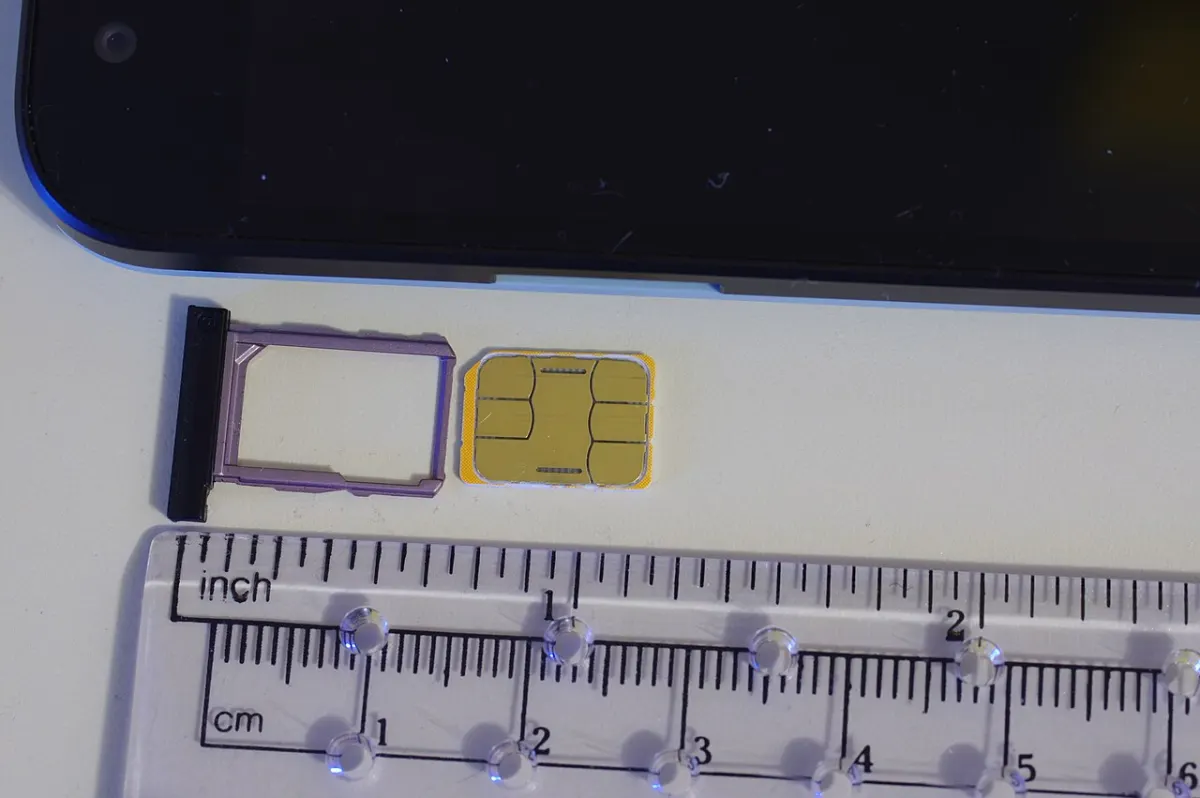
Most phones have one slot for a physical SIM. Put a local SIM in, and your home number is in your pocket instead of your phone: no bank codes by SMS, no calls to your usual number. An eSIM sits next to your home SIM, so both work at once.

The catches nobody mentions
Roaming day passes that start by themselves
Why it happens
Many carriers start a paid day pass the first time your phone uses any data abroad.
What to do
- 1Turn off data roaming for your home line before the plane lands.
- 2Check your carrier's app for the exact daily price before you go.
“Unlimited” eSIMs that slow down
Why it happens
Most unlimited plans have a fair-use limit, then drop to a very slow speed.
What to do
- 1Look for the daily high-speed allowance in the plan details.
- 2We show it on every plan we list.
Tourist SIMs that need registration
Why it happens
Many countries require your passport to register a SIM, and some cut off unregistered ones after a few days.
What to do
- 1Buy from the official shop of a network, not a street stall, and keep the receipt.
Data-only eSIMs and two-factor codes
Why it happens
Most travel eSIMs have no phone number, so banks cannot text them.
What to do
- 1Keep your home line switched on. SMS codes reach it even with its data off.